
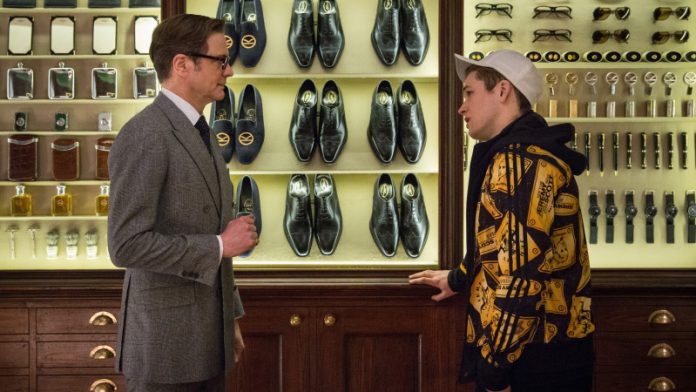
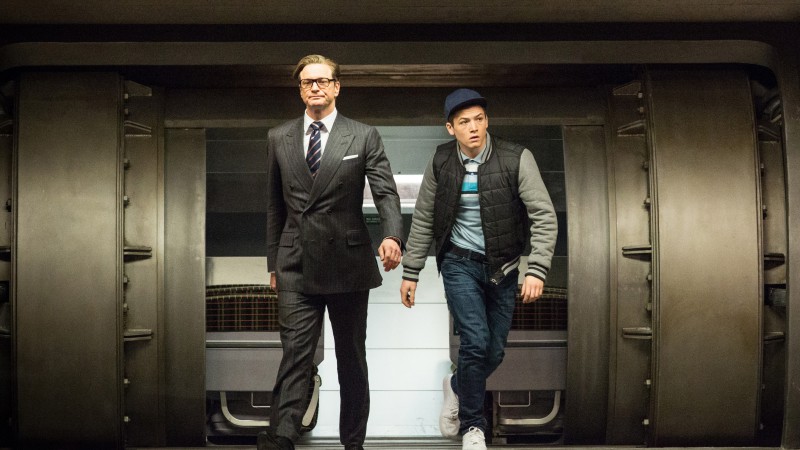
Back in February, on the occasion of the German premiere of Matthew Vaughn’s latest Mark Millar adaptation Kingsman: The Secret Service, I had the great opportunity to talk to the film’s two leads. One is the renowned Oscar winner Colin Firth, who thanks to movies such as Bridges Jones’s Diary, The King’s Speech, A Single Man and, of course, the BBC miniseries Pride and Prejudice long belongs to British acting royalty. The other is the newcomer Taron Egerton, handpicked by Matthee Vaughn against many competitors to play the breakthrough role of his career. Egerton stars in the film as a talented young man from the wrong side of the tracks, whom Firth’s lethal super-spy recruits into the training programm of a secret orgainization. It’s basically Kick-Ass meets James Bond by the way of Men in Black (but without aliens) with a little dash of Star Wars in it – and if that doesn’t sound like a great time at the movies, then I don’t know what does.
In my interview, Mr. Firth and Mr. Egerton both have shown themselves to be greatly excited about their film and our topics ranged from James Bond actors over British stereotypes to, um, mushy peas. Take a look:
(Spoiler alert: the second half of the conversation contains Kingsman spoilers, also signified within the interview!)
Filmfutter: “Take That” did a song for the film and they are next door right now. They are only three now, you could join them, Taron.
Taron Egerton: Yeah, Colin (Firth) and I are talking about replacing. Colin is going to choreograph and I’m going to do the vocals. (both laugh)
FF: Kingsman is a great throwback to older James Bond movies. It’s so very British.
Colin Firth: It’s funny how many Bonds have actually not been English. Connery is Scottish, Lazenby is Australian…
TE: Well, the character was written as Scottish, wasn’t he? I might be getting confused because Fleming did not want Connery, did he?
CF: Fleming felt that Connery wasn’t patrician enough and he had to be mentored into the role, which is interesting because I think he is most people’s favorite Bond. But yeah, Pierce (Brosnan) is Irish, (Timothy) Dalton is Welsh.
TE: I think that because there are references to Bond and shades of it within the film, it suggests to some that perhaps we are challenging Bond. But you’ve got to be stupid to do that. We are rather hanging on the coattails of Bond. It’s an alternative to the stark ultra-realism of the current spy films and it nods its head back to the time when films raised eyebrows.
FF: What is the difference between Harry Hart (Colin Firth’s character in Kingsman) and James Bond?
CF: I’ve never thought about it in those terms. There is already a lot of difference between one Bond and another. Roger Moore’s Bond and Daniel Craig’s Bond are totally different and so are David Niven’s Bond and Connery’s Bond. And this isn’t James Bond. If you want a simple, prosaic answer: you don’t know anything about Harry’s sex life. You know a lot about Bond’s sex life. That’s a very marked and noticeable difference because he has sex in every film and it’s usually connected with the plot and the espionage and some poison…
FF: So Eggsy (Taron’s character in Kingsman) is more Bondian then?
TE: I think he is. Harry is closer to someone like Obi-Wan Kenobi (looks at Colin Firth). I’m not suggesting Alec Guinness. A much younger Obi-Wan. (laughs) The dynamic in their relationship is that Harry is kind of a father figure to Eggsy and you don’t really want to think of a father being a womanizer.
CF: I think the fact that Harry does not have other relationships in the film was a good way to focus on his relationship with Eggsy. I don’t want to imply too much seriousness or deconstruction in this film, but in terms of how the plot is shaped, it throws the focus on the boy. All we know about Harry is his professionalism, one aspect of his past and his emotional investment in this young man. There is something very streamlined about it.
TE: I think Harry’s mystery is his appeal and his allure. You cannot demystify him.
CF: My character appears from nowhere for Eggsy in the film. It is even presented visually. The scene, in which Eggsy walks out of the police station, is a single uncut camera shot. You see the policeman getting the phone call, going inside, you see Eggsy coming out and you see me standing where the policeman stood before. It is as if I just appeared, whereas in reality I had to move very quickly to the spot. Later, when Harry walks out of the pub door, he disappears in a similar fashion. The idea that Matthew (Vaughn) had was to make him more like Obi-Wan Kenobi, to have him appear and disappear like an apparition.

FF: So the character doesn’t have a backstory?
CF: I could make one for myself, but you’re not told. In the comic book, my character is called Jack London and he is related to Taron’s character. He is his uncle and comes from a similar background. But the movie takes all of that away. You don’t know if he is or has been married, if he has children or even if he is straight or gay.
FF: Spy movies often work best when they are British. Why does Britishness corresponds with spy themes so well?
CF: I have a theory about this. The first film I did, Another Country (1984), was in some ways an exploration of what it is that connects spying to a particular kind of Englishmen. It was set in a British public school, similar to Eton or Winchester. In this elite environment the boys are politicized. They are given a great deal of power within the school infrastructure. The senior boys are disciplinarians. In order to get into the elite, you have to be elected. At the age of 16 you’re campaigning and become a politician. You have to use strategy to win popularity. This film is set in the 1930s and this was really a training to become a member of the ruling class because these boys would go on to become diplomats, government ministers and they would run society. They are being groomed to that. In the context of that era, there are boys that are not going to fit in. The communism revolution across Europe creates this massive idealism, which runs contrary to that system. You also have a boy (played by Rupert Everett), who realizes that his own homosexuality would limit him. Even though there is nothing uncommon about it, you are supposed to keep it a secret. He learns subterfuge and he hides this side of him. It is a serious deconstruction, but it recurs again in Tinker Tailor Soldier Spy (2011) because the character I played in that is based on Kim Philby, who was closely associated with Guy Burgess, on whom Rupert Everett’s character in Another Country was loosely based on. They both went to those schools and they were rendered idealistic by an alternative political system, radicalized as you might say in modern terminology. I think we have our roots in that world, where the veneer is incredibly well-presented and carefully calibrated. Britishness, good manners and a suit offer a very good hiding place. The British have a very stereotypical reputation of having this kind of presentation.
FF: For the first time in your career, you had to do a lot of action scene. Were you afraid of that?
CF: Yes, I was. I saw a lot of my sports rehab person. They would pop the shoulder back in and send us back on. It was intense. The training went on for three hours a day, every day for six months. I had to be turned from a rather lazy actor into an athlete. We worked with Damien Walters, a famous Olympian gymnast and Rudolf Vrba, a six-time thai boxing champion. This fellow (points to Taron) came a bit later along, so they had to be training him, while we were acting. I would go home after the end of the shoot and he had to stay and train.
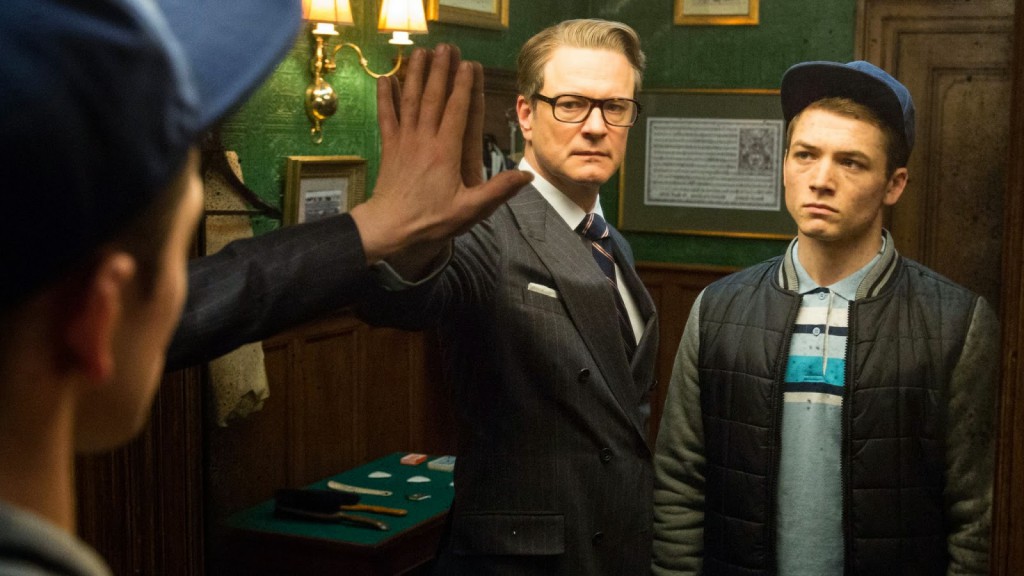
FF: Well, you looked great in those scenes. Why did it take you so long in your career to play an action-heavy role like this?
CF: I didn’t want to. I’m lazy and I don’t like pain.
FF: What changed your mind then?
CF: What changed my mind was that I had to be there to do the job by the 1st of November. The piece of paper that said you had to be there, nine o’clock at the studio. (laughs)
FF: Maybe Liam Neeson can be your role model, a character actor turned action hero at a certain age.
CF: I don’t know, whether it will happen again. After this experience, I would love to do it. We shot most of the stunts and action scenes on Kingsman first and when I looked back at it, I couldn’t believe that it was over. It has been in my life for a year and then all I had to do was just walk around and point my suit at people again.
FF: You play a sailor in your next film (a biopic about Daniel Crowhurst), though, don’t you?
CF: Well, there is a physical rigor to it. It’s not the same sort of thing. I was reading about Robert Knox-Johnston, who participated in the same race (Sunday Times Golden Globe Race of 1968). He added two inches to his chest, his hands looked like the bottom of his feet and he lost seven pounds. But Kingsman was not so much about strength, as about the moves that you normally don’t do, like the squats and the lunges. After the age of 50 I was very lucky that I got the chance to do something like that. I forced myself to do it because having accepted the part, I just had to do it. When it was over, I asked myself why it took me so long. I thought I wasted a lot of time, when I could have enjoyed this.
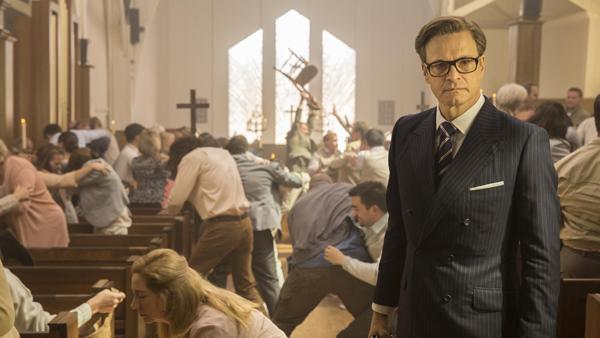
FF: Speaking of the action: my favorite scene in the movie is probably the Kentucky church scene, with all its mayhem and craziness….
CF: What’s the matter with you?! (laughs)
FF: How long did it take for you to shoot the scene and how much of your stunts did you do yourself?
CF: Pretty much all of them in that scene. It took about a week. There were some injuries that held us up. The difficulty in shooting that scene was that it was single camera. Every scene had to be like a piece of theatre. We had to rehearse to get it right. If you are intercutting and you do a sequence, in which one small thing doesn’t fit, it’s not a big problem. You can take a piece here and a piece there. Couldn’t do that here. They were all single takes. Every single of the sequences in it, which were consecutively joined together, had to be perfect. It had all to do with the choreography and the guy with the hand-held camera obviously had to be part of the choreography. It was a big dance with different people. Everybody had to be synchronized. The pub fight was more conventional, it was intercut.
FF: Taron, Harry is a father figure and a teacher to Eggsy in the movie, but what did you, as a young actor, learn from Colin during the shoot?
TE: You know what I didn’t learn? How to eat properly. (laughs)
CF: Mushy peas, yeah…
FF: Oh do tell!
TE: Colin was eating fish & chips, which is traditionally served with mushy peas. We were chatting and I looked at Colin and he had a single pea perched atop of his glasses! (laughs loudly) We still don’t know how it happened; you are usually a very tidy eater. Something malfunctioned.
CF: I should only be permitted dry food.
TE: On a serious note, of course I gained tremendous amounts from Colin. But Colin’s generosity manifested in his warmth, his time, his conversation, his openness to me. He wasn’t lecturing me on set because it would have been condescending.
CF: Well, you were the same with me. I think one has to value that as well. You can be a difficult young person or a difficult old person.
TE: Colin would never say it this way, but of course it was a greater gesture for him to be inclusive of me than vice versa. He was so unbelievably kind and lovely to me.
CF: I spoke very badly of you behind your back.
!!FROM HERE SPOILERS PERTAINING TO THE MOVIE FOLLOW!!
FF: The film sets itself up perfectly for a franchise. Have there been talks about a sequel? Maybe Colin’s character could have a twin brother, so he could return.
TE: We gossiped about all the possible ideas. I’d love to do a sequel because then I could buy a house, which would be really nice. But it’s in the hands of Gods, as they say. There is definitely scope for future stories.
CF: Knowing Matthew, it would have to start with an idea that works. It is not going to start with the thought that he must do a sequel. If something interesting and unexpected can be done, he will do it. If my character can be exhumed somehow, it’d be fun for me to do another one as well.
TE: It’s Matthew Vaughn, we are talking about. He is not beyond killing me in the first frame of the sequel.
FF: By Harry’s evil twin maybe.
TE: The fact that you had that idea means that it’s probably out. (laughs)
CF: I am not against sequels in theory. There have been some great ones. The problem with sequels is that people usually want a sequel because they loved the first film. In some ways they want a version of that experience again. But if you give them the first film, they hate you for it because they have already seen that. You have to find a way to continue the narrative in an unexpected way and still as thrilling as the thing they fell in love with the first time. It is a very challenging thing to pull off.
FF: Speaking of sequels here. You have been in one before, Colin, the second Bridget Jones movie. A lot of people have been wondering for the past decade whether you will do a third movie.
CF: I’m one of the people wondering. If there is a good idea, a good script and good people are involved, it would be ridiculous to say that I wouldn’t do it. But at the moment there is nothing to say “yes” or “no” to.
FF: Millions of women of all ages have been swooning over you for a very long time. Has it ever bothered you?
CF: No, I don’t think it bothers me now. It is quite nice actually. It is just cinema. If I was working in an office, it wouldn’t be happening.
FF: Maybe it is because you have been in so many great movies.
CF: There have been some unfortunate moments as well. I’ve done a lot of stuff over the years and I suppose that if you keep working every so often you draw a lucky card. It is hard for me to analyze it the success from my position. I just take a job, I do it and the fate of the film is often a surprise.
FF: Well, you drew a lot of lucky cards and Kingsman is certainly another. Thank you for the great interview.
by Arthur Awanesjan
_________________________________________________________
There you go. Anyone looking for a blast at the movies, should definitely check out Kingsman: The Secret Service, which is every bit as anarchic, irreverent and fun as Kick-Ass, yet very much crafts an identity of its own.
All images © 2015 20th Century Fox

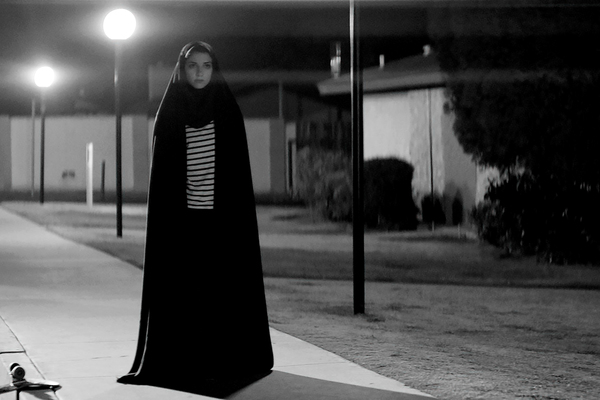 Bei A Girl Walks Home Alone at Night handelt es sich vermutlich um den ungewöhnlichsten Beitrag dieses Jahr, der sicherlich die Zuschauer spalten wird und nicht die Masse des FFF-Klientels anspricht. Doch gerade dafür, dass ein solcher Film von den Veranstaltern ins Programm genommen wurde, gebührt an dieser Stelle Lob. A Girl Walks Home Alone at Night ist ein Vampirfilm. In Schwarzweiß. In Farsi (iranische Sprache). Beschrieben wurde der Film bei seiner Premiere im Rahmen des Filmfestivals von Sundance vergangenes Jahr als "erster iranischer Spaghetti-Western mit Vampiren". Dass hier nicht das Mainstream-Publikum angesprochen wird, dürfte jetzt jedem klar sein, doch das tat der schwedische Vampirfilm So finster die Nacht auch nicht und gehört bis heute zu den besten Werken, die ich beim Fantasy Filmfest gesehen habe. Regisseurin Ana Lily Amirpour, geboren in England und aufgewachsen in den USA, drehte ihren Debütfilm in Kalifornien und erschuf dabei einen Ort, der zeitlos und jenseits unserer Realität wirkt – Bad City. Dort regieren Kriminalität, Verfall und Gesetzlosigkeit. Und dann gibt es noch die titelgebende junge Dame mit Kopftuch, die nachts ihre Opfer sucht – aber meistens die, die es verdienen. Im jungen Arash findet sie gewissermaßen einen Seelenverwandten. Doch kann diese Romanze gut gehen? A Girl Walks Home Alone at Night will den Zuschauern beweisen, dass es auch nach Hunderten von Vampirfilmen allen möglichen Einschlags immer noch interessante Wege gibt, die Blutsauger in Szene zu setzen. Manche werden den Film sicherlich lieben, andere hassen, doch bei allen wird er mit Sicherheit für Diskussionen sorgen.
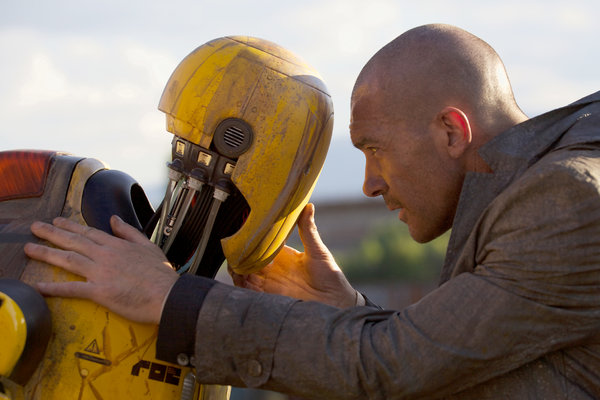 Post-apokalyptische Streifen gehören seit jeher zum Standardangebot des Fantasy Filmfests und der diesjährige Vertreter bei den Nights heißt Automata, eine englischsprachige amerikanisch-spanische Koproduktion, die mit einem großen Namen lockt – Antonio Banderas. Der spanische Superstar und einstiges Sexsymbol war schon länger nicht mehr in einem wirklich guten Film zu sehen (obwohl seine Performance in
 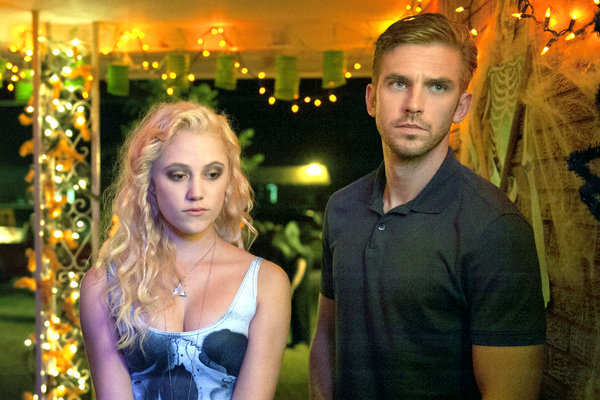 The Guest könnte sich als einer der größten Publikumsfavoriten bei den diesjährigen Fantasy Filmfest Nights entpuppen. Zahlreiche Fakten sprechen für den Film. Adam Wingard hat bereits mit seinem cleveren Slasher
 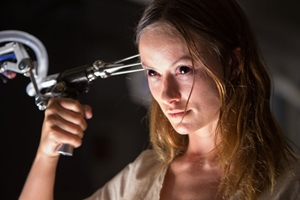 Dass man Menschen nicht von den Toten zurückbringen sollte, haben schon mehr als genügend Horrorfilme eindrucksvoll gezeigt. Wer kann schon die unheimliche Katze oder den kleinen Jungen aus Friedhof der Kuscheltiere vergessen? Doch die Protagonisten von The Lazarus Effect haben diesen Film offensichtlich nie gesehen, als sie ihre Experimente, bei denen Verstorbenen eine neue Lebenschance gegeben wird, von Tieren auf Menschen ausgeweitet haben. Kann das gut gehen? Natürlich nicht. Diese Antwort weiß jeder Zuschauer scheinbar noch vor den Protagonisten. Diese werden von namhaften Schauspielern dargestellt: Olivia Wilde ("Dr. House"), Mark Duplass ("The League"), Evan Peters ("American Horror Story"), Donald Glover ("Community"), Sarah Bolger ("Once Upon a Time") und Ray Wise ("Twin Peaks"). Der Trailer verspricht einen Hochglanz-Horrorthriller aus Hollywood, der vermutlich nicht viele vom Hocker reißen wird, aber dennoch solide abendliche Unterhaltung bieten sollte.
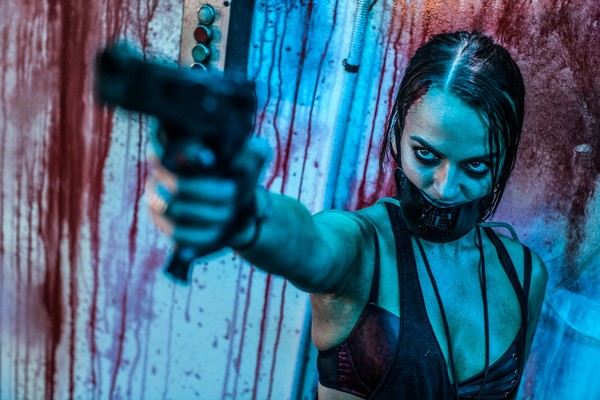 Es ist das Fantasy Filmfest und auf dem Fantasy Filmfest dürfen Zombies schlicht und ergreifend nicht fehlen. Schließlich sorgt kein anderes Horror-Subgenre beim Festival Jahr für Jahr für Jahr so sehr für volle bis ausverkaufte Säle, wie der gute, alte, splattrige Zombiefilm. Letztes Jahr war es Dead Snow 2: Red vs. Dead, der für Begeisterungsstürme sorgte und der diesjährige Vertreter kommt aus Australien und heißt Wyrmwood: Road of the Dead. Auch Down Under wissen sie ganz genau, worauf der herkömmliche Splatter-Fan steht und liefern mit Wyrmwood einen Film mit eben all den Elementen ab, die bei FFF-Screenings im Publikum für Beifall sorgen: Blut, Gedärme und eine deftige Portion Absurdität und Selbstironie. Die Geschichte ist schnell erzählt: Ein Meteoritenschauer verwandelt viele Einwohner Australiens in blutrünstige Untote. Ein Mechaniker macht sich auf, seine Schwester aus den Fängen eines wahnsinnigen Arztes und eines Soldatentrupps zu retten und zur Unterstützung hat er einen durchgeknallten Aborigine an seiner Seite. Was kann da schon schiefgehen? Aus der Sicht der FFF-Besucher vermutlich nicht viel. Also Bierchen schnappen, dazu Popcorn oder Nachos und der Spaß kann losgehen!
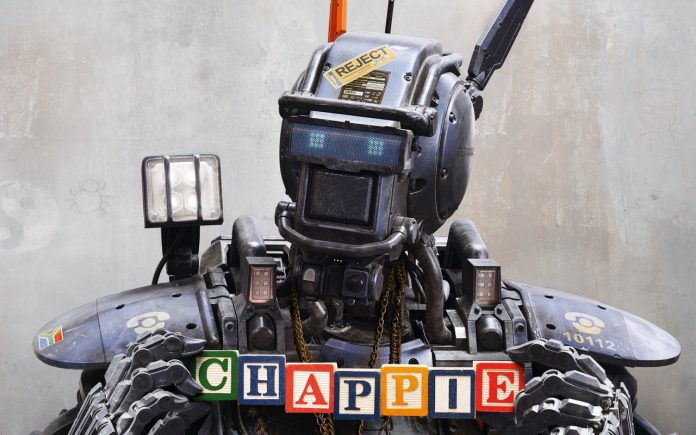
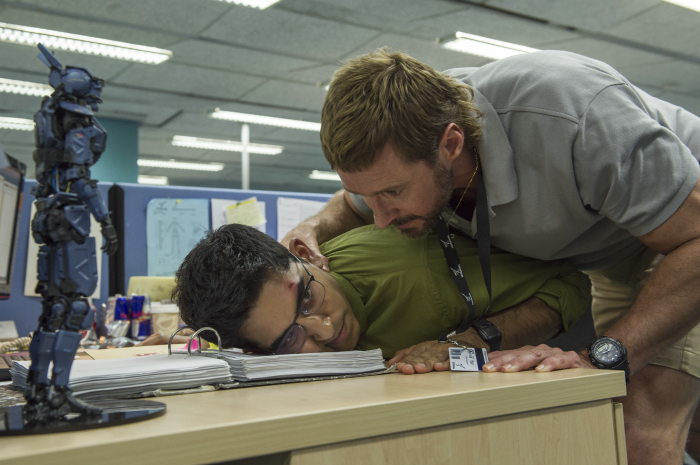
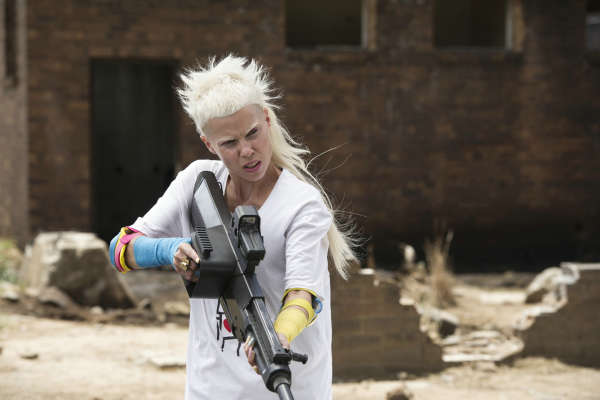 Johannesburg in Südafrika: Die Polizei bedient sich mechanischer Hilfe, sogenannter Scouts, um der Kriminalität Herr zu werden. Vielen Menschen ist der Schutz durch Roboter aber nicht geheuer. Vor allem die Gangster haben ihre Zweifel. Eine kleine Crew Gangster (Watkin „Ninja“ Tudor Jones und Yolandi Visser) stiehlt einen lädierten Roboter und seinen Erbauer Deon (Dev Patel). Der Roboter wird umprogrammiert und repariert, woraufhin dieser ein lernfähiges, fühlendes Bewusstsein erhält. Fortan „Chappie“ genannt, hilft der Roboter den Gangstern, krumme Dinger zu drehen. Doch die mächtige Waffenfirma sieht ihren zweckentfremdeten Roboter nicht gern auf der anderen Seite des Gesetzes. Vielleicht ist Chappie sogar eine Gefahr für die Menschheit. Erfinder Deon wähnt in Chappie eine Möglichkeit für einen evolutionären Sprung. Der Ex-Soldat Vincent (Hugh Jackman) sieht darin Gefahrenpotential und wittert endlich die Chance, sein Waffensystem „The Moose“ zur Bekämpfung der vermeintlichen Bedrohung zu testen.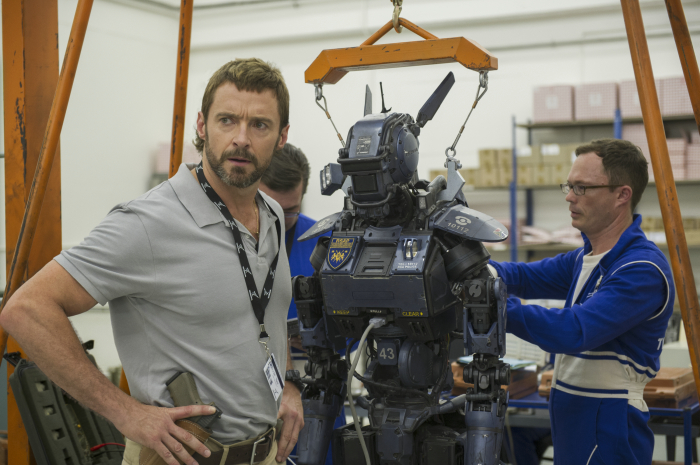
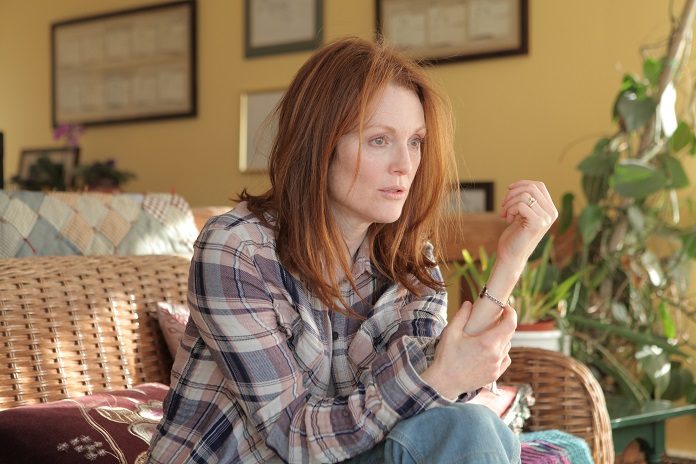
 Das Regie-Gespann Richard Glatzer und Wash Westmoreland inszeniert das sensible Thema Alzheimer so subtil, dass jeder Zuschauer gezwungen ist, sich ohne Vorwissen mit der Krankheit zu beschäftigen. Das funktioniert so erschreckend gut, dass man an drei, vier Stellen schwer zu kämpfen hat, nicht aufrichtig loszuweinen. Dazu trägt vor der Kamera allen voran Julianne Moore bei. Sie stellt die Figur der an einer seltenen Form der Alzheimer-Krankheit leidenden Professorin fast schon erschreckend glaubwürdig dar. Man kann sich zwangsläufig mit ihr identifizieren. Durch diesen Realismus fällt es mitunter schwer, sie und ihre Familie bei ihrem unaufhaltsamen geistigen Verfall zu begleiten. Vor allem die Gewissheit, dass es jeden Moment zur nächsten Verschlechterung ihres geistigen Zustands kommen wird, lässt einige Szenen emotional schwer ertragbar werden.
 Die Dramatik der Geschichte steigert sich stufenartig mit dem Verlauf der Krankheit, also dem Abbau von Alice’ Gedächtnis. Stück für Stück ändert sich die Persönlichkeit und das Leben einer ehemals sehr erfolgreichen und hochgebildeten Frau. Das Ende des Films zeigt eine der markantesten Folgen der Krankheit und wirkt dadurch besonders feinsinnig. Die Kamera von Denis Lenoir folgt diesem Lebensabschnitt mit ruhigen Bildern, unterstützt von einer pointiert eingesetzten musikalischen Untermalung. Somit wirkt die Umsetzung des Romans „Mein Leben ohne Gestern“ von Lisa Genova nicht nur inhaltlich, sondern auch filmtechnisch ruhevoll. Die Zeitlosigkeit des Stoffs und die Konfrontation mit dem Thema animieren, über das „Was, wenn?“ bezogen auf das eigene Leben nachzudenken. Auch das lässt den Film in keiner Minute langweilig wirken.